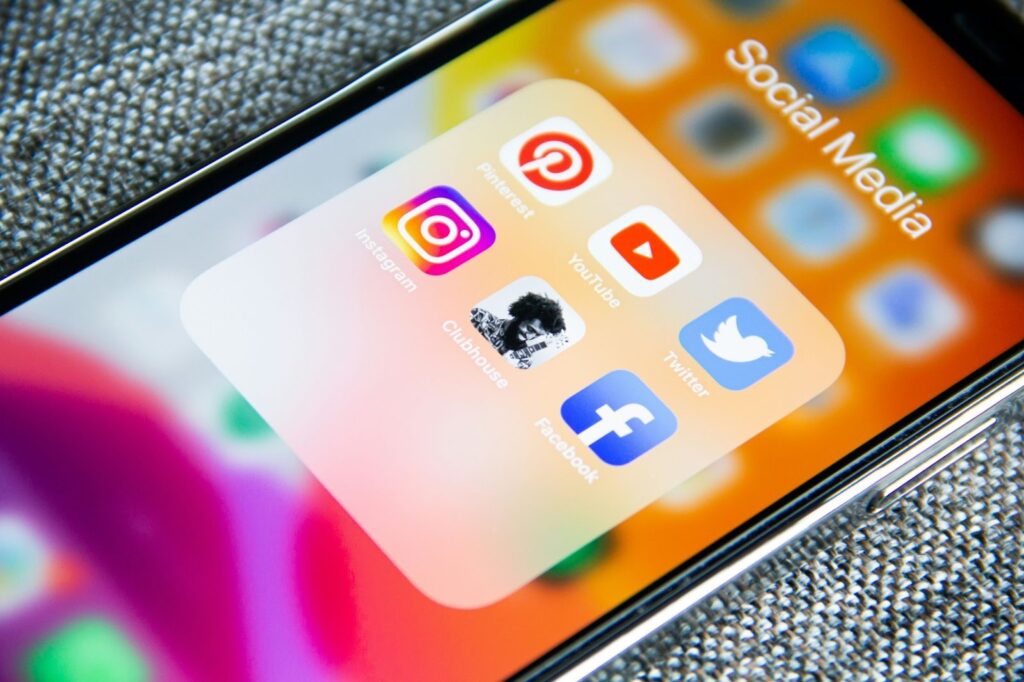
In the pre-digital era, content distribution was a linear, top-down process. Information flowed from a handful of gatekeepers—major publishing houses, television networks, and radio stations—to a passive audience. Today, that hierarchy has been dismantled. Social media has transformed content distribution into a multi-directional, real-time ecosystem where the barrier to entry is nearly non-existent and the potential for “virality” is a cornerstone of modern marketing.
As of 2025, social media is no longer just a promotional tool; it is the primary infrastructure through which news is consumed, brands are built, and educational content is disseminated.
1. The Shift from Pull to Push Distribution
The most significant impact of social media is the transition from pull to push dynamics. Historically, users had to seek out content (pulling it from a newsstand or search engine). Now, sophisticated algorithms push content directly into user feeds based on behavioral data.
The Role of Algorithmic Curation
Modern distribution is governed by engagement metrics rather than chronological order. Platforms like TikTok, Instagram, and X (formerly Twitter) prioritize content that triggers immediate interaction—likes, shares, and watch time. This means that high-quality, engaging content can achieve massive reach without the need for a massive following.
Democratization of Access
Social media has leveled the playing field. A solo creator with a smartphone can now compete for attention with a multi-million-dollar media conglomerate. This democratization ensures that niche topics and underrepresented voices can find an audience that traditional distribution channels might have deemed “too small” or “unprofitable.”
2. Real-Time Feedback Loops and Content Iteration
One of the most transformative aspects of social media distribution is the instantaneous feedback loop. Unlike a print magazine, where the impact of an article might not be known for weeks, social media provides data in seconds.
- A/B Testing in Real-Time: Creators can post multiple variations of a headline or thumbnail to see which performs better, allowing for rapid optimization.
- Audience Sentiment: Comments and shares provide qualitative data on how the audience is perceiving the message, allowing brands to pivot or double down on specific topics.
3. The Power of “Shared” Media: The Viral Effect
In traditional marketing models, we talk about Owned, Paid, and Earned media. Social media introduced a hyper-charged version of earned media: Shared Media.
When a user shares a piece of content, they aren’t just distributing it; they are endorsing it. This “social proof” increases the credibility of the content. This leads to the Network Effect, where the value and reach of the content increase exponentially with every new user who interacts with it.
Case Study: The Educational “Thread”
Consider how academic or technical information is distributed today. An expert might write a 2,000-word white paper (the core content). On LinkedIn or X, they break this down into a “thread” of 10 concise posts. This format is more digestible, easier to share, and often reaches ten times the audience of the original PDF, driving traffic back to the source.
4. Challenges in the Modern Distribution Landscape
While the benefits are vast, the impact of social media on distribution has introduced significant challenges that content creators must navigate.
The “Walled Garden” Problem
Platforms like Meta or LinkedIn want to keep users on their sites. Consequently, their algorithms often penalize content that includes external links. This has forced a shift toward native content distribution—where the entire value of the content is delivered within the social post itself, rather than acting as a simple “click-here” teaser.
Content Fragmentation and Shortening Attention Spans
With the rise of short-form video (Reels, Shorts, TikTok), content must now be “thumb-stopping” within the first three seconds. This has led to a distribution landscape that favors high-energy, visually stimulating, and concise information, sometimes at the expense of nuance and depth.
5. Strategic Integration: How to Optimize Distribution
To effectively leverage social media for distribution, creators and brands must move beyond “post and pray.”
1. Platform-Specific Optimization
Content should never be “cross-posted” identically. A video that works on TikTok (informal, vertical, lo-fi) will likely fail on LinkedIn (professional, high-context, career-focused). Distribution must be tailored to the “language” of each platform.
2. The Hub-and-Spoke Model
- The Hub: Your high-value, long-form content (blog post, white paper, podcast).
- The Spokes: Short-form social snippets (infographics, 60-second clips, quotes) that distribute pieces of that value across different platforms.
6. Future Trends: AI and Hyper-Personalization
As we look toward the future, the impact of social media on content distribution will be further amplified by Artificial Intelligence. AI is now used to:
- Predict which pieces of content will go viral before they are even posted.
- Automatically “repurpose” a single video into dozens of platform-specific clips.
- Translate and localize content instantly, allowing for global distribution without manual intervention.
Conclusion
Social media has fundamentally rewritten the rules of content distribution. It has shifted the power from institutions to individuals, replaced static reach with dynamic engagement, and turned distribution into an iterative, data-driven process.
For creators and organizations to succeed in this environment, they must embrace the reality that distribution is no longer the final step in the content process—it is a continuous conversation. By understanding algorithmic behavior, prioritizing native formats, and leveraging the power of social proof, anyone can turn a single idea into a global movement.
Also Read
- ► Mastering the Art of SEO: Effective Blogging Techniques for 2026
- ► The Importance of SEO in Content Creation
- ► How to Identify High-Quality Blogs for Guest Posting
- ► Strategy to Build an Email List Using Guest Blogging
- ► Guest Blogging Strategies for Local Businesses
- ► The Role of Visual Content in Guest Posts
- ► The Role of Influencers in Guest Blogging
- ► Guest Blogging Impact in Different Industries
- ► How to Repurpose Guest Posts for Maximum Reach
- ► Guest Blogging Strategies for E-Commerce Sales
- ► Unlocking the Real Power of Backlinks in SEO
- ► The Essential Role of Content in Guest Blogging
- ► Beyond the Backlink: Building Real Relationships Through Guest Blogging
- ► Common Mistakes to Avoid in Guest Blogging
- ► The Definitive Guide to Measuring the Success of Your Guest Blogging Efforts

Leave a Reply