
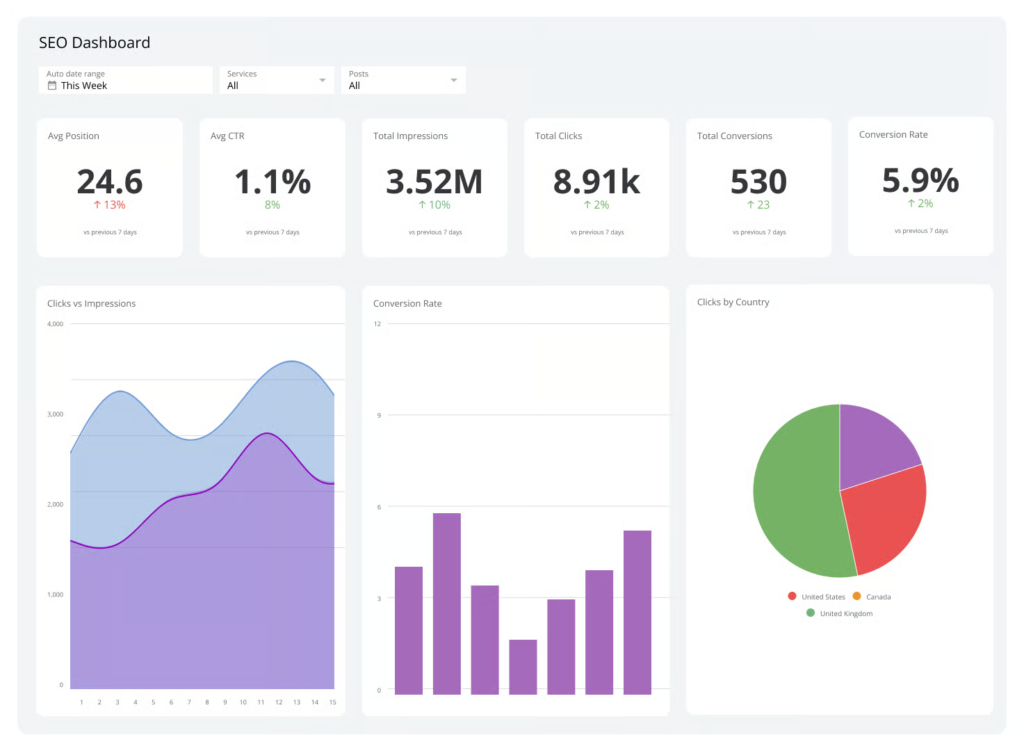
Increasing website traffic by 200% within 90 days is ambitious, but entirely possible with a systematic, data-driven approach. This article outlines proven methods grounded in SEO best practices and digital marketing fundamentals. Whether you run a blog, e-commerce site, or business portal, these strategies can help you dramatically expand your audience without resorting to shortcuts or unverified techniques.
Why Traffic Growth Matters
Before diving into tactics, it’s important to understand why boosting traffic is a key business objective. More visitors mean more opportunities to:
- Generate leads
- Drive sales
- Increase brand awareness
- Build authority in your niche
However, quality matters as much as quantity. Sustainable growth comes from attracting engaged users who find real value in your content or offerings.
Laying the Groundwork: Audit and Goal Setting
Conduct a Comprehensive Website Audit
Start by assessing your current performance. Analyze:
- Organic search traffic
- User engagement metrics (bounce rate, pages per session)
- Top-performing content
- Technical SEO health
Use tools like Google Analytics and Google Search Console to gather accurate insights. For technical optimization, reference this guide from Moz on site audits and SEO fundamentals:
Document where you are today so you can measure progress meaningfully.
Define Clear, Measurable Goals
Instead of a vague “grow traffic,” set SMART goals:
- Increase overall organic traffic by 200%
- Improve average session duration by 30%
- Gain top-3 rankings for 10 target keywords
Establishing clear KPIs will help you focus your effort where it counts.
Strategy 1: Optimize for Search Engines (SEO)
Target High-Value Keywords
Keyword research isn’t about volume alone — relevance and intent matter.
- Identify topics with user intent that match your offering.
- Use tools like Ahrefs, Semrush, or Google Keyword Planner.
- Focus on long-tail keywords with moderate competition that you can realistically rank for within 3 months.
Example: Instead of “marketing tips,” target “digital marketing strategies for small businesses 2025.”
Refresh and Expand Existing Content
Audit existing pages:
- Update outdated statistics or information
- Add new sections to improve depth
- Optimize headings, meta tags, and internal links
Search engines reward content that demonstrates Expertise, Experience, Authority, and Trust (E-E-A-T), especially on informative topics. A well-updated cornerstone article can attract organic traffic faster than new, thin content.
Strategy 2: Publish High-Impact Content Regularly
Create Content with Intent
Every new piece should target specific search queries or audience needs:
- How-to guides
- Case studies
- Comparison articles
- Listicles with actionable takeaways
For example, if you’re in fitness ecommerce, an article like “10 Science-Backed HIIT Workouts for Beginners” serves both search intent and product promotion opportunities.
Use Content Clusters
Organize your content around core “pillar” topics with multiple supporting posts. This improves internal linking, clarifies topical authority, and boosts rankings.
Example:
- Pillar: “Beginner’s Guide to SEO”
- Cluster 1: On-page SEO checklist
- Cluster 2: How to write SEO-friendly content
- Cluster 3: Best tools for technical SEO
Strategy 3: Drive Traffic Through Promotion
Leverage Social Media Channels
Promote your content across platforms where your audience is active:
- LinkedIn for B2B
- Instagram and TikTok for lifestyle and consumer brands
- Twitter for industry news and thought leadership
Use platform-specific strategies — short videos, carousels, or shareable graphics — to increase engagement and click-throughs.
Use Email Marketing to Reignite Audiences
Your existing email list is one of your most valuable traffic sources:
- Send previews of new blog posts
- Highlight best-performing content in newsletters
- Segment lists to personalize content recommendations
Email campaigns often yield high engagement and conversions with minimal cost.
Strategy 4: Build Backlinks and Authority
Earn Backlinks Through Thought Leadership
Backlinks are a major ranking factor. Focus on:
- Guest posts on reputable sites
- Collaborations with influencers or industry experts
- Publishing original research or data that others want to cite
Quality beats quantity: a few backlinks from authoritative domains can move the needle faster than many low-quality links.
Here’s a resource outlining modern, white-hat link-building best practices:
Ahrefs – Link Building for SEO
Participate in Industry Communities
Answer questions on forums like Reddit and Quora, or engage in niche Facebook and LinkedIn groups. Providing real value can lead people back to your site organically.
Strategy 5: Track, Analyze, and Adjust
Monitor Key Metrics Weekly
Track:
- Organic search traffic
- New vs returning visitors
- Bounce rate
- Conversion rates
Use dashboards to visualize trends and spot anomalies early.
A/B Test to Improve Performance
Test:
- Headlines
- Calls to action
- Page layouts
Small improvements add up fast when you’re scaling traffic across many pages.
Real-World Example: Practical Application
Imagine a SaaS blog with 10,000 monthly visitors. Applying the above methods:
- Audit reveals weak keyword targeting
– Updated content and new keyword focus increase rankings. - Launch content cluster on “productivity tools.”
– Quick wins on long-tail keywords bring in targeted traffic. - Guest posts secure backlinks from industry blogs
– Referral traffic rises sharply. - Regular email updates and social promotion
– Engaged visitors return and share content.
Within three months, each lever compounds, often resulting in 2× or more traffic growth without paid advertising.
Conclusion
Growing website traffic by 200% in 3 months is ambitious, but achievable with the right mix of technical SEO, high-quality content, strategic promotion, and continuous optimization. Prioritize user intent and experience, employ data-driven tactics, and measure everything you do. With sustained effort and smart execution, you can transform your site into a high-traffic destination that supports your business goals.
Also Read
- ► The Impact of Social Media on Content Distribution
- ► Mastering the Art of SEO: Effective Blogging Techniques for 2026
- ► The Importance of SEO in Content Creation
- ► How to Identify High-Quality Blogs for Guest Posting
- ► Strategy to Build an Email List Using Guest Blogging
- ► Guest Blogging Strategies for Local Businesses
- ► The Role of Visual Content in Guest Posts
- ► The Role of Influencers in Guest Blogging
- ► Guest Blogging Impact in Different Industries
- ► How to Repurpose Guest Posts for Maximum Reach
- ► Guest Blogging Strategies for E-Commerce Sales
- ► Unlocking the Real Power of Backlinks in SEO
- ► The Essential Role of Content in Guest Blogging
- ► Beyond the Backlink: Building Real Relationships Through Guest Blogging
- ► Common Mistakes to Avoid in Guest Blogging

Leave a Reply